
COAT Landing page
The first therapy to reverse Alzheimer's at its structural root.
COAT™ is a non-invasive, at-home olfactory stimulation platform clinically proven to restore brain structure and cognitive function in early Alzheimer's disease and aMCI
+2.6%
Gray matter volume increase
92%
Patient adherence rate in trial
0
Serious adverse events recorded
+2.34
Units improvement (PACC Score)
The problem
A $1 trillion crisis with no real solution.
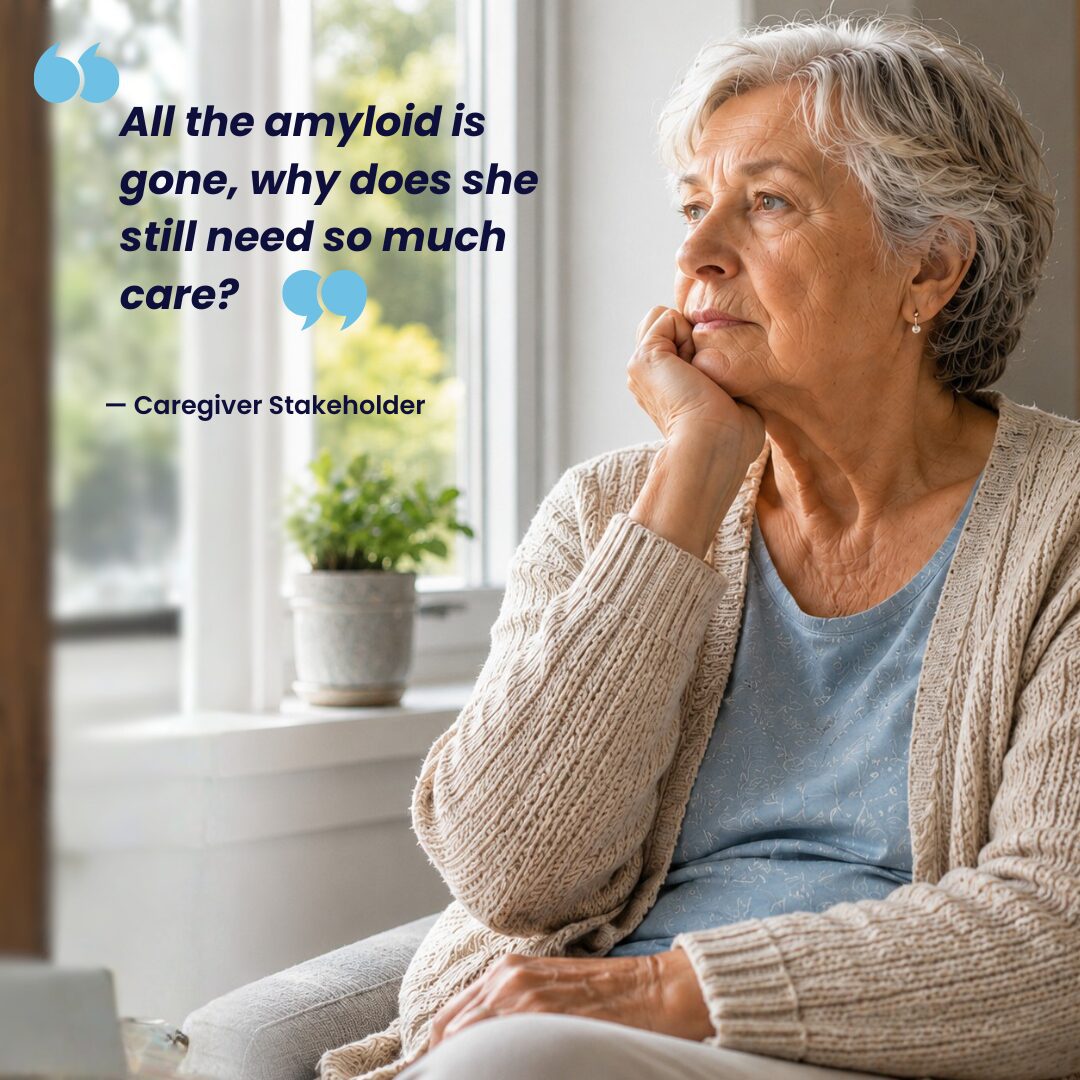
Over 5.7 million Americans live with early Alzheimer's disease or amnestic mild cognitive impairment. Despite recent anti-amyloid therapies like Lecanemab and Donanemab, a critical gap remains: clearing amyloid plaques does not stop neurodegeneration. Brain atrophy continues. Cognition declines.
Target amyloid but fail to restore brain structure or cognitive function
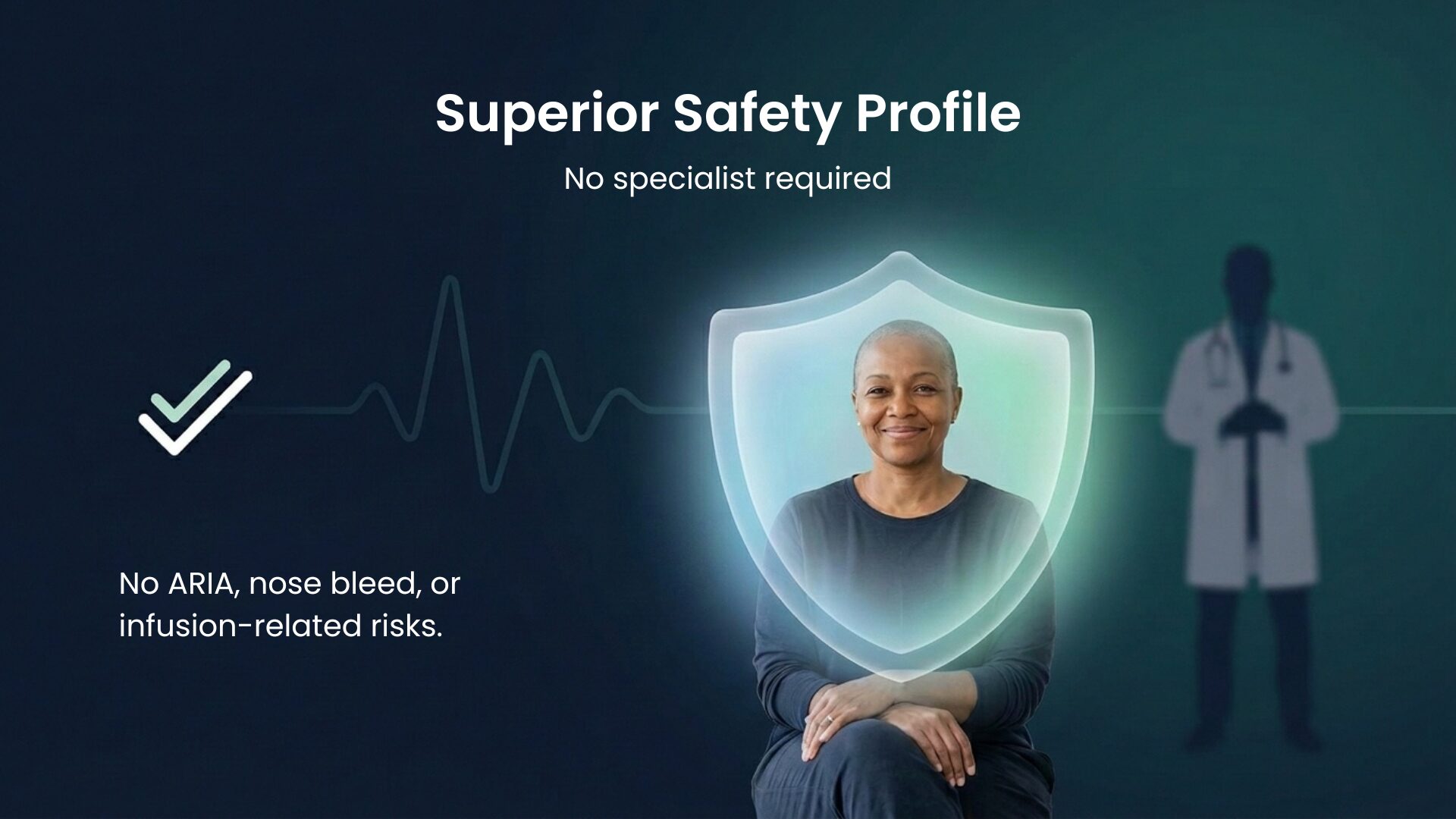
Require IV infusions, carry serious risks (ARIA, brain bleeds), and are inaccessible to most patients
Amyloid PET diagnostics are unreliable across ethnoracial groups, leaving underserved populations behind
No currently approved therapy restores cognitive function in early Alzheimer's disease.
Watch Video Here


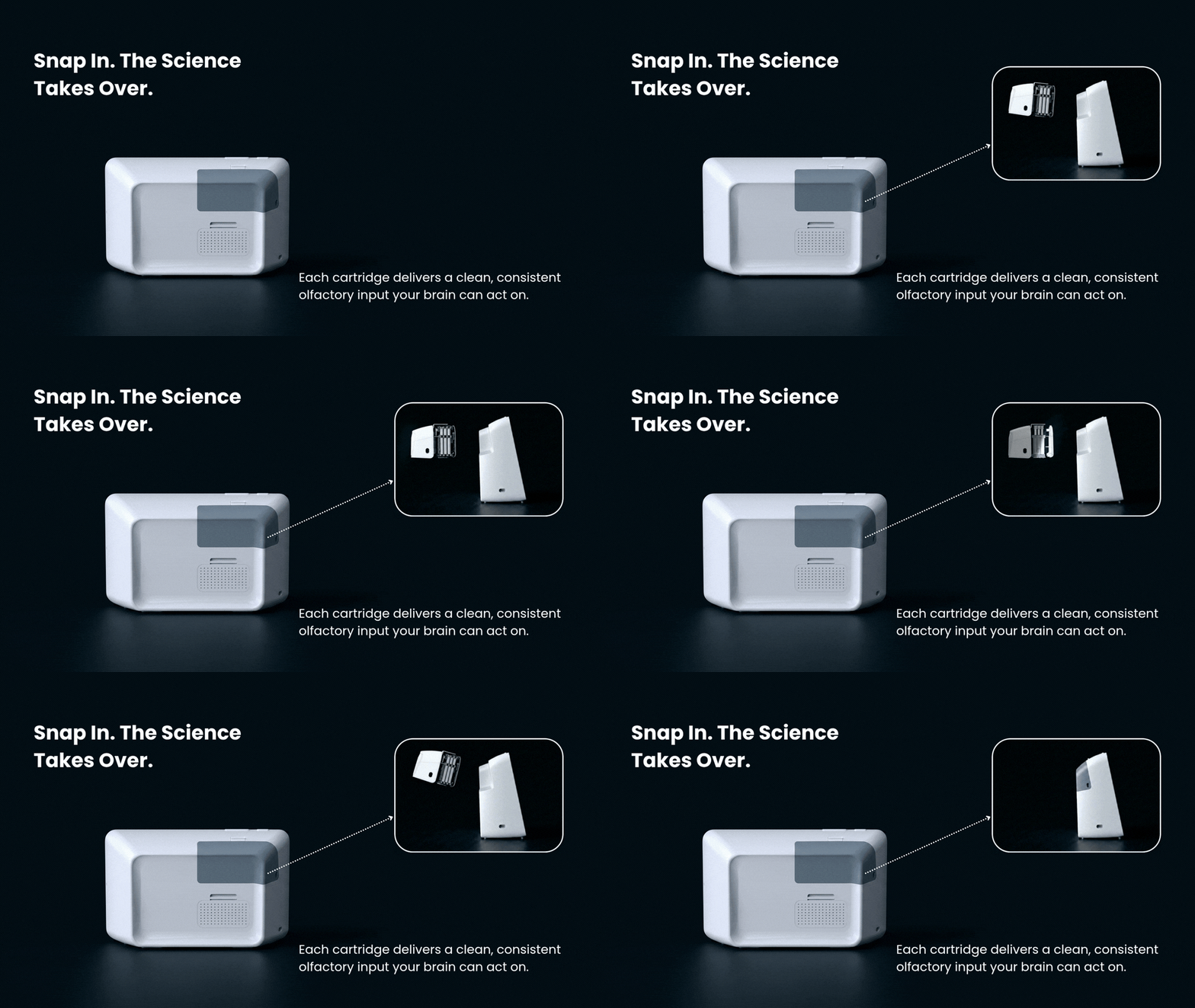
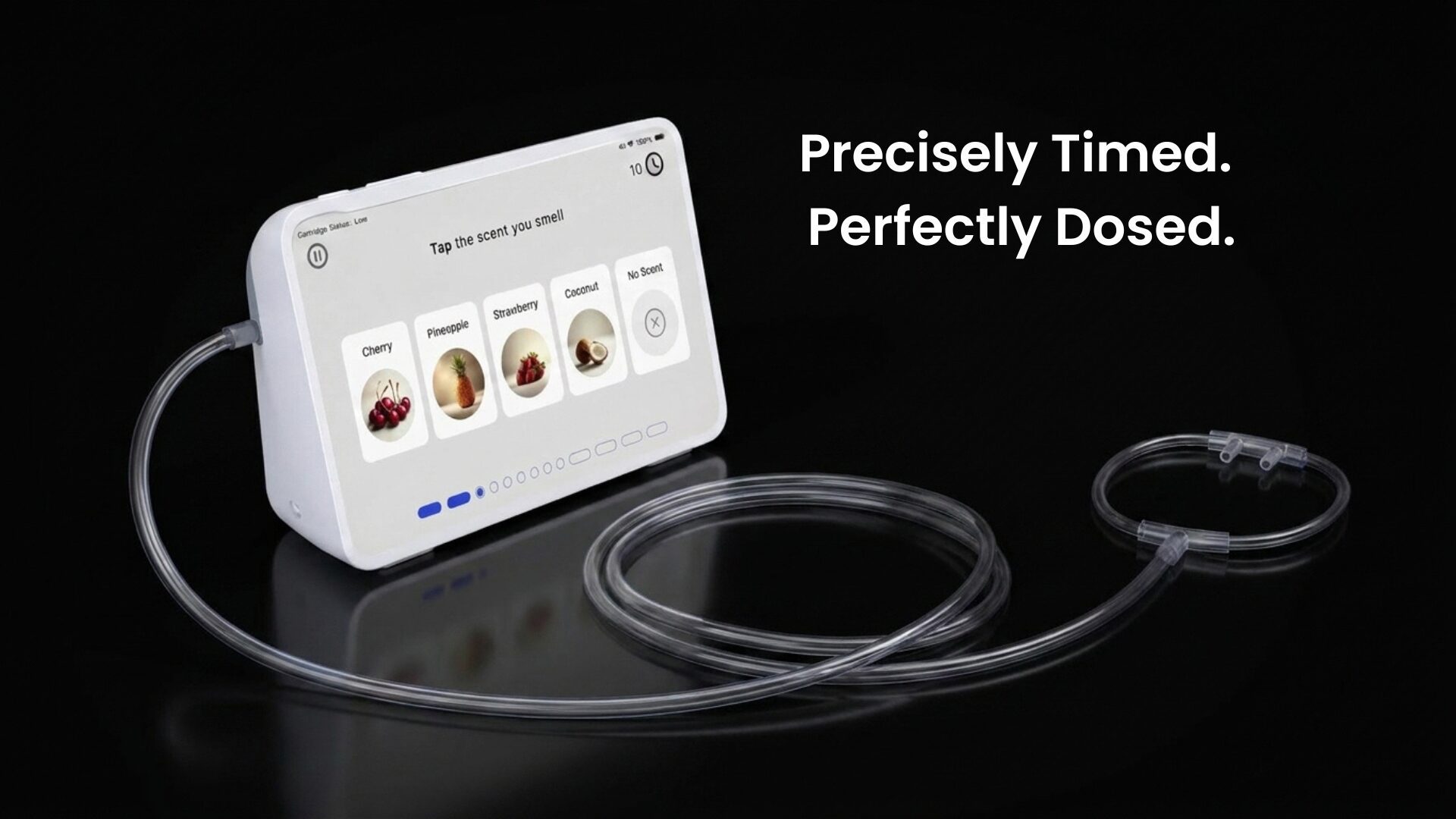
Personalized odor pulses via nasal cannula
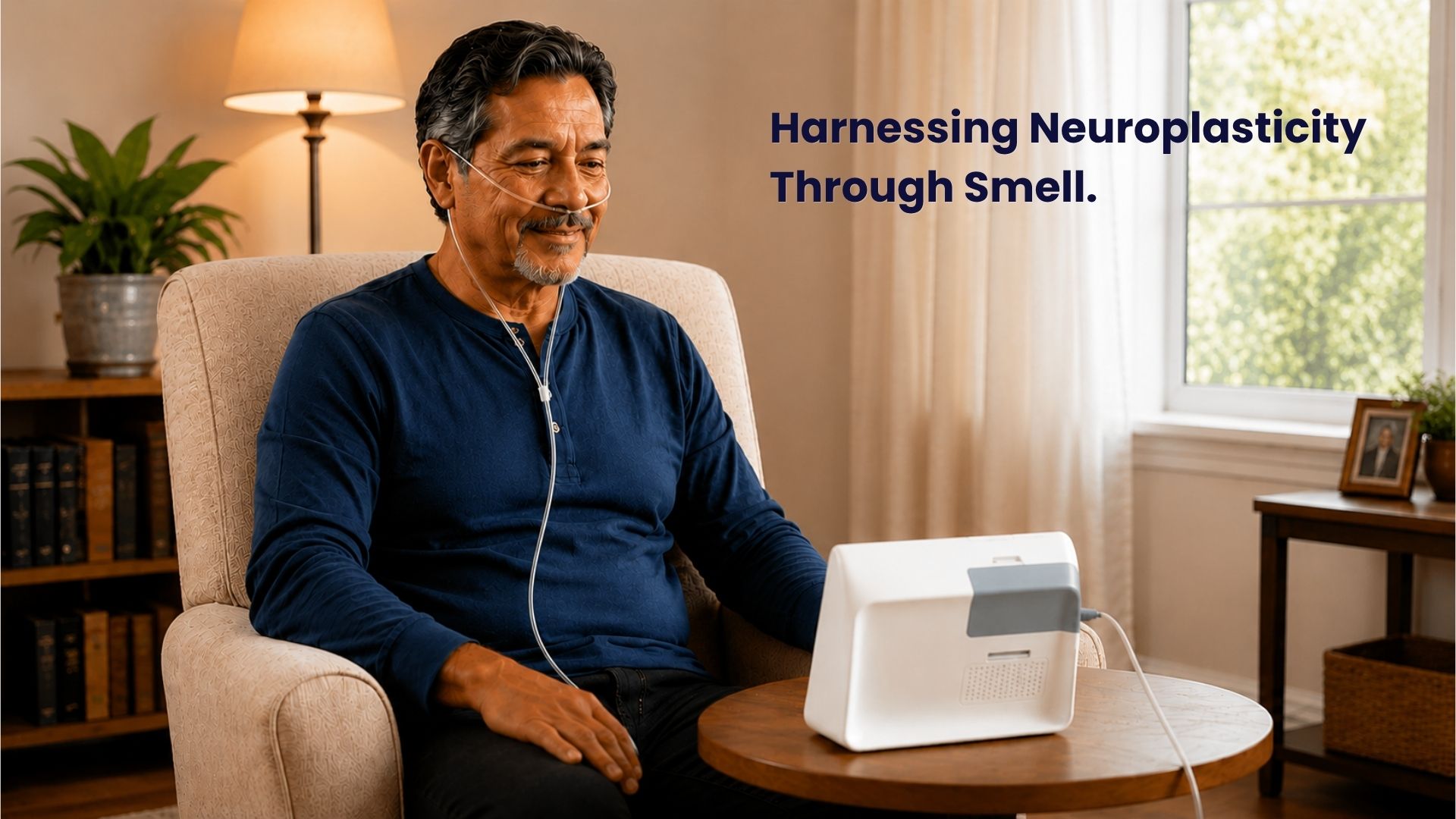
The COAT device delivers algorithmic odor pulses at home — no specialist visits, no infusions.

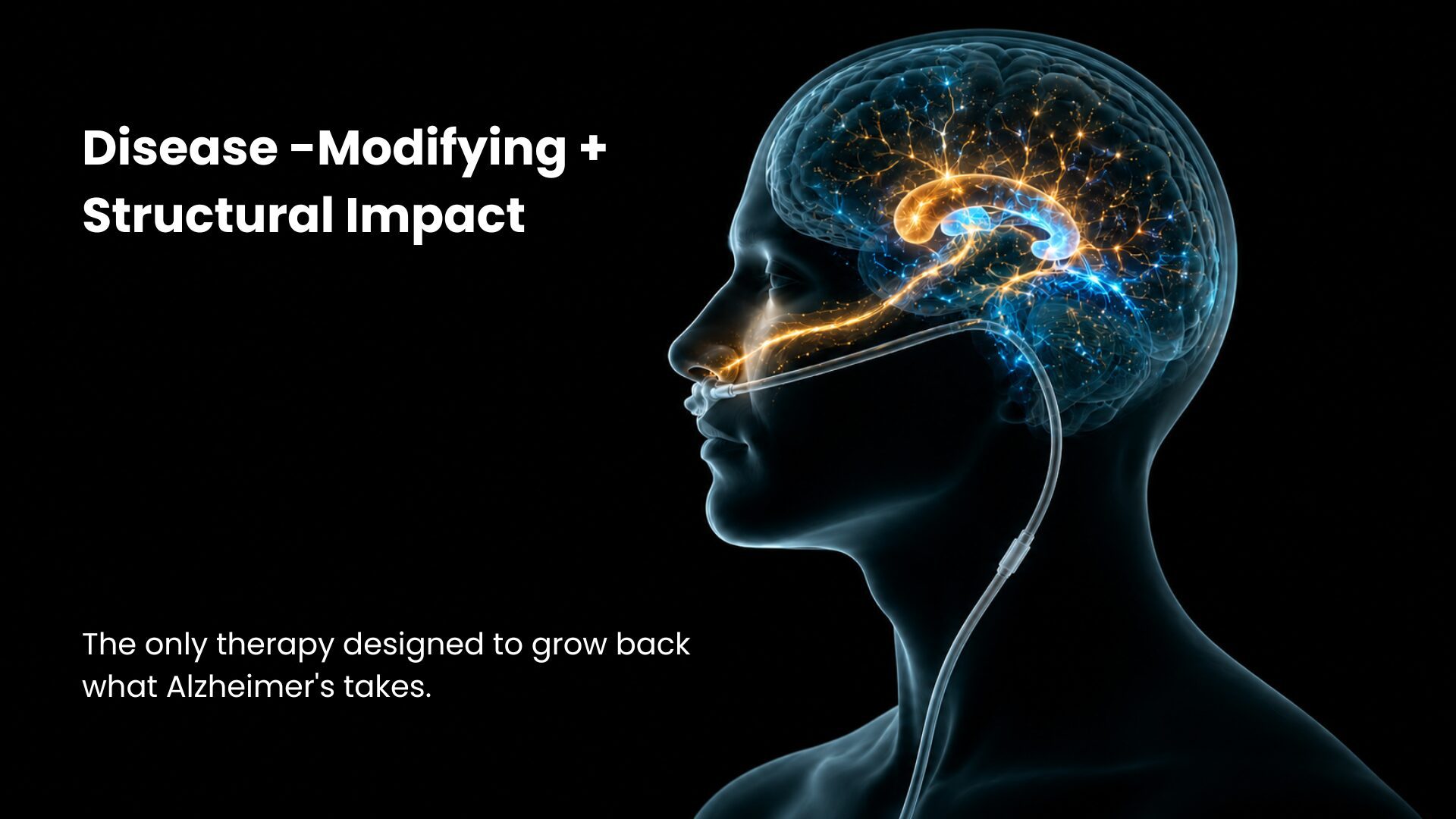

Engage the olfactory–hippocampal pathway
Stimulation drives synaptic strengthening and activates the brain's natural neuroplastic healing mechanisms.

MRI-confirmed brain volume growth
Over 12 weeks, patients show measurable hippocampal regrowth and meaningful cognitive improvement.

Why COAT wins
Three pillars that no existing therapy matches.
Non-invasive, at home
No infusions, no clinic visits, no specialist required. Patients complete their 18-minute daily session from their own home.
Neuroplasticity-based
Targets the root cause of structural brain decline — not just symptoms. COAT activates the brain's own healing mechanisms.
Ethnoracially inclusive
Proven effective across Black, Latinx, and all patient groups — addressing a critical gap left by amyloid-PET-dependent therapies.
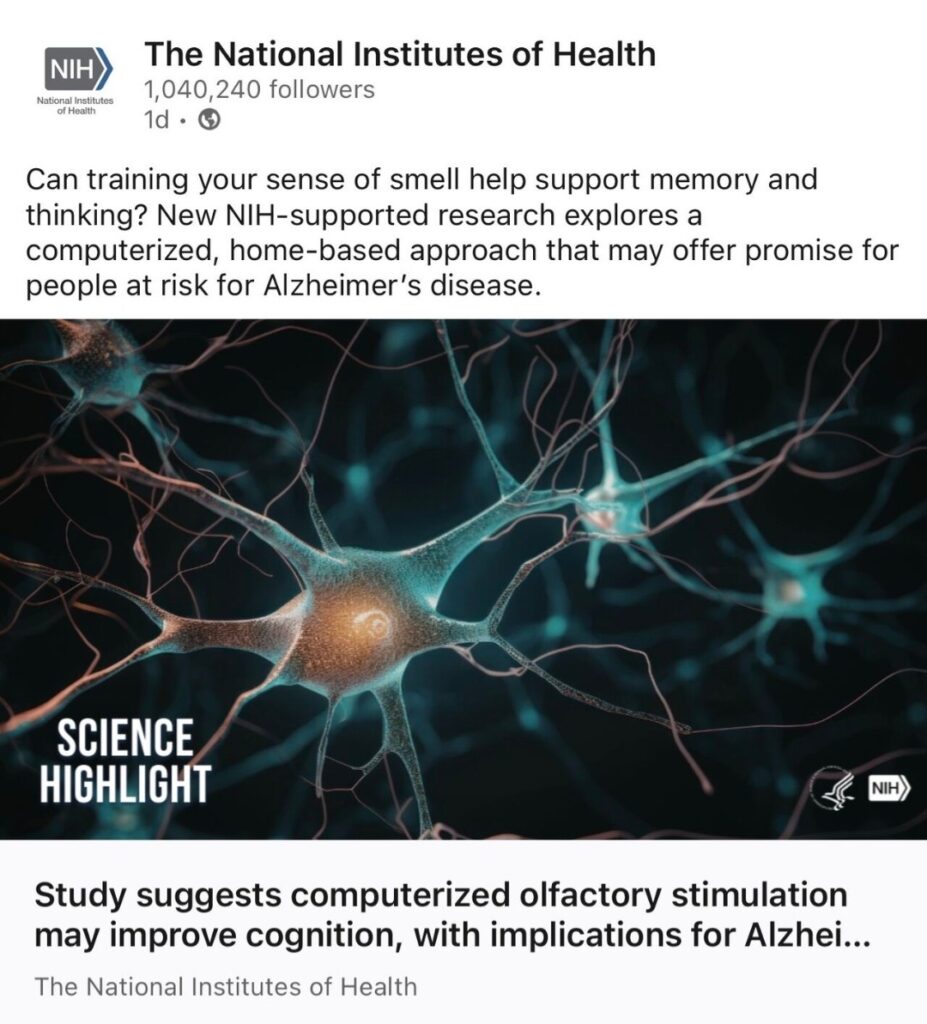
Featured by the National Institutes of Health
Partnerships